
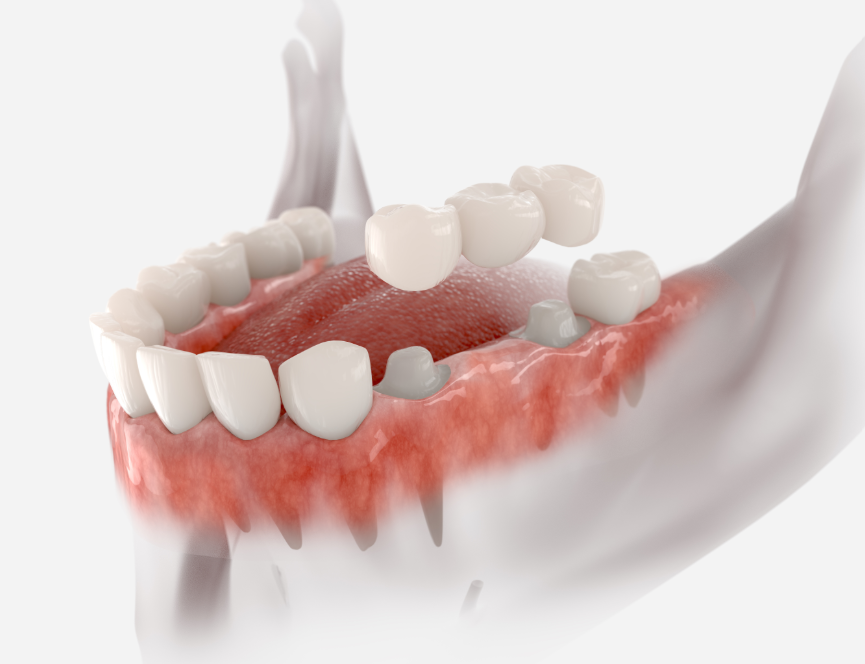
Dental bridges are a reliable way to replace missing teeth and restore your smile. When properly cared for, they can last 10–15 years or even longer. However, like any dental restoration, bridges can sometimes fail due to certain habits, oral health conditions, or structural issues. Understanding what can cause a dental bridge to fail can help you take steps to protect it and keep your smile healthy for years to come.
Tooth Decay Under the Supporting Crowns
A dental bridge works by anchoring artificial teeth to crowns placed on the natural teeth on either side of the gap. These supporting teeth are essential to the stability of the entire restoration.
If plaque and bacteria build up around the crown margins, they can cause decay to form underneath the crowns. Because this decay happens below the bridge, it can sometimes go unnoticed until it becomes more serious. Once the supporting teeth are compromised, the bridge may loosen or fail altogether.
Maintaining excellent oral hygiene and attending regular dental checkups can help detect and prevent this issue early.
Gum Disease and Bone Loss
Healthy gums and jawbone provide the foundation that keeps your bridge secure. If gum disease develops, it can damage the tissues and bone that support the surrounding teeth.
As the disease progresses, the teeth holding the bridge may begin to loosen. This instability can make the bridge uncomfortable or ineffective, eventually leading to failure if the problem is not treated.
Daily brushing, flossing, and professional cleanings are essential for keeping your gums healthy and protecting your dental restorations.
Poor Fit or Structural Issues
In some cases, a dental bridge may fail because it was not fitted correctly or experiences structural stress over time. Even a small misalignment can place extra pressure on the supporting teeth, especially during chewing.
Over time, this additional stress may cause the bridge to crack, loosen, or detach. A well-designed bridge that is carefully customized to your bite greatly reduces this risk.
If you notice movement, discomfort, or difficulty chewing with your bridge, it’s important to have it evaluated promptly.
Teeth Grinding or Excessive Bite Pressure
Habitual teeth grinding, also known as bruxism, can put tremendous pressure on dental restorations. Bridges are strong, but the constant force from grinding or clenching can cause wear, fractures, or loosening over time.
People who grind their teeth during sleep may not even realize it’s happening. A protective nightguard can often help reduce this pressure and extend the life of dental work.
Your dentist may recommend this option if signs of grinding are detected.
Lack of Proper Maintenance
One of the most common reasons dental bridges fail is simply a lack of consistent care. While a bridge replaces missing teeth, it still requires daily cleaning to prevent plaque buildup around and beneath it.
Special floss threaders or interdental brushes can help clean underneath the bridge where a toothbrush cannot reach. Skipping these steps can allow bacteria to accumulate, increasing the risk of decay and gum disease.
With proper maintenance and routine dental visits, many bridges continue functioning beautifully for well over a decade.
Taking care of your dental bridge is one of the best ways to protect your smile and ensure your restoration lasts as long as possible.
About the Practice
At Kramer Dental, our team is dedicated to helping patients restore and maintain healthy, confident smiles. Dr. Paul Kramer and Dr. James Kramer provide comprehensive restorative dentistry, including dental bridges designed to replace missing teeth and improve oral function. Using modern techniques and personalized treatment planning, we focus on creating durable, natural-looking results while guiding patients on how to care for their restorations for long-term success.
Call us at (302) 436-5133 or schedule your appointment online.