As your dental team, one of our primary goals is to preserve your healthy, happy smile. While that usually involves going to great lengths to save your teeth, there are some cases when a tooth extraction is the best option. If that’s the case, you can have peace of mind knowing that you’re in the best of hands here. If you want to learn more about this restorative dental service, including when we recommend it, schedule an appointment with us or read on!
Reasons Why Tooth Extractions Are Necessary
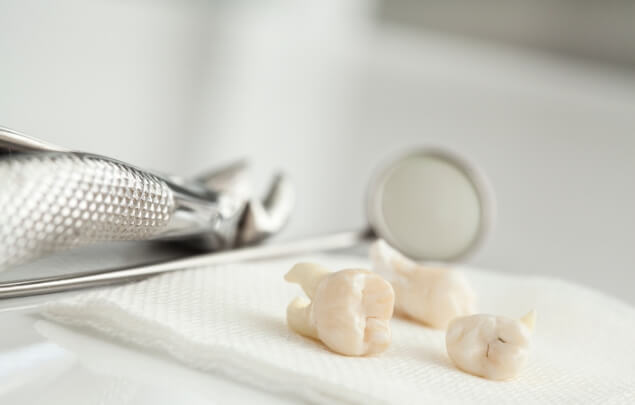
As we mentioned above, there are some cases when an extraction is necessary, including when:
- A baby tooth has misshapen or long roots that prevent it from falling out as it should
- A tooth has decayed to the point that it is putting the surrounding teeth and jaw at risk
- Room needs to be made in the mouth prior to orthodontic treatment
- One or more wisdom teeth are impacted below the gumline
The Process of Removing a Tooth
If it is determined that a tooth needs to be removed, then your dentist will proceed with a simple or surgical extraction. With a simple extraction, they can grip the tooth and rock it loose since it has already broken through the gumline. With a surgical extraction, a small incision needs to be made in the gums first. That way, they can access the tooth, remove it section by section, and tend to the extraction site. Remember, in both cases, your mouth will be thoroughly numbed beforehand to ensure you don’t feel any pain during your time in the treatment chair.
Once a tooth has been removed, neighboring teeth may shift, causing problems with chewing or with your jaw joint function. To avoid these complications, your dentist may recommend that you replace it with a custom dental bridge or dental implant.
Tooth Extraction Aftercare

Before you leave our office, we will provide you with detailed aftercare instructions to help you heal comfortably at home. A few general ones include:
- Keeping your head elevated, including while you sleep
- Taking prescribed or OTC pain medication as directed
- Changing the gauze pads as needed
- Sticking to a soft-foods diet
- Brushing and flossing carefully
- Not smoking, drinking alcohol, or spitting
- Avoiding strenuous activities, like running
As always, if you have any questions for us about tooth extractions in Selbyville, including how you should prepare for the procedure, we’re just a phone call away!
Tooth Extractions FAQs
What Should I Eat Following My Tooth Extraction?
For the first 24 hours, we recommend sticking to a liquid diet. After that, you can progress to extremely soft foods, like cottage cheese, plain yogurt, applesauce, and pudding. Around the 5-day mark, you should be able to incorporate heartier foods into your meals. Just make sure to go slowly and as you feel comfortable.
Does Getting a Tooth Extracted Hurt?
Whether you’re getting one tooth extracted or multiple, the first step of the procedure is always the same: to numb your mouth thoroughly. That way, you don’t feel any pain in the treatment chair. We will also provide you with aftercare instructions so you can heal comfortably as well, like brushing carefully around the extraction site, avoiding hot foods, and taking OTC pain medication as directed.
Can I Leave the Space Empty After a Tooth Extraction?
That depends largely on the reason we’re removing the tooth. For instance, if we are performing an extraction because it’s damaged beyond the point of repair, then we will need to replace it with a dental bridge or implant to ensure the strength of your bite and the appearance of your smile aren’t compromised moving forward. Conversely, if we are performing an extraction because we need to make room in your mouth prior to orthodontic treatment, then we can leave the space empty.
What Can I Do to Speed Up the Healing Time?
While some patients look forward to the rest and relaxation that’s required following a tooth extraction in Selbyville, others aren’t so enthused. If you’re a part of the latter group, then you might be wondering how you can speed up the healing period. The answer is: following the aftercare instructions we give you to a tee. Although you might be tempted to get back to your usual diet and workout regimen, it’s very important that you exercise caution to prevent irritation, a dry socket, or delayed healing.
How Should I Prepare for My Tooth Extraction?
We discussed what you should do after the procedure, but is there anything you should do beforehand? The short answer is “yes!” In addition to avoiding tobacco products and alcoholic beverages, we recommend asking a trusted adult to drive you to and from your appointment. It’s also a good idea to stock up on everything you need to make the recovery period go smoothly, including cold compresses, soft foods, and OTC pain medication.
Can I Smoke After Getting a Tooth Extracted?
No, you should not use any tobacco products, including e-cigarettes, for at least five days. If you’ve had trouble quitting in the past, don’t hesitate to let us know! Remember, we aren’t here to judge. Rather, we want to help set you up for success during the recovery period.